Every day millions of people type questions into a search bar. They are looking for answers, products, or help. Most of these people click on the first few results they see. Search Engine Optimization is the process that puts your website in those top spots.
In 2026, SEODADA functions as a high-precision diagnostic engine. It accelerates organic traffic growth by replacing manual guesswork with automated, data-driven audits. Unlike generic tools, it focuses on technical clarity and structural integrity, ensuring that search engines and modern AI assistants can easily crawl and trust your content.
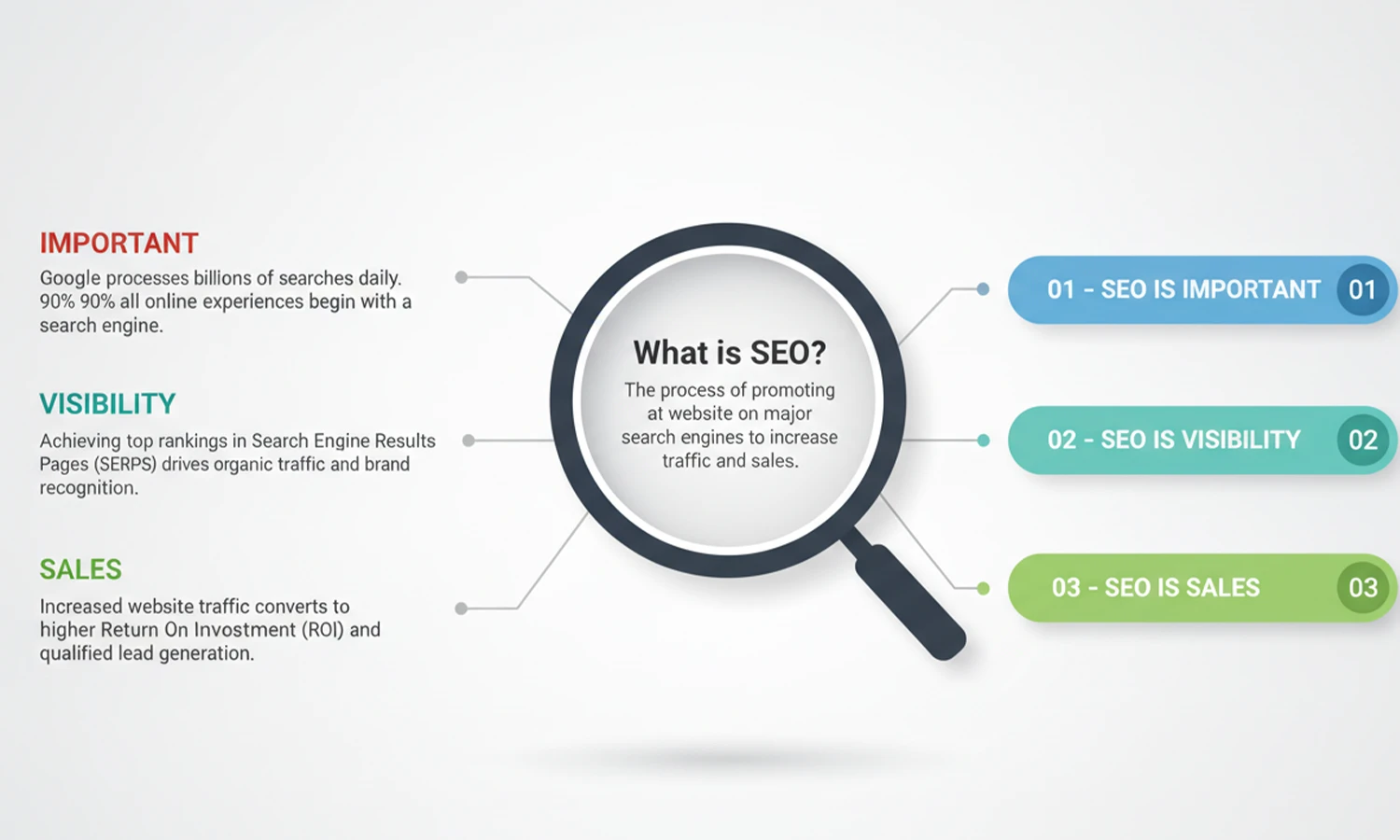
Understanding SEO: The Basics
Search engine optimization is the essential practice of aligning your website content and technical setup with the complex algorithms of search engines. The SEO meaning and definition is the art and science of making your website discoverable, relevant, and trustworthy.
“SEO is about helping search engines understand and present content.”
— John Mueller, Google
How SEO Improves Website Visibility
Visibility refers to how prominently your site appears in search results. Higher visibility leads to more organic search traffic through several methods:
- Ranking for Keywords: SEO helps you identify the terms your audience uses to rank on the first page where over 99 percent of clicks occur.
- Occupying Real Estate: You can claim more space through featured snippets or the answer box at the top.
- Improving User Experience: Search engines prioritize fast and mobile-friendly sites. By improving these, you reduce bounce rates.
SEO vs Paid Search: What’s the Difference?
The primary difference between organic SEO and Paid Search is the nature of the investment. You are either earning visibility or buying it. This SEO vs PPC comparison helps you see where to put your money.
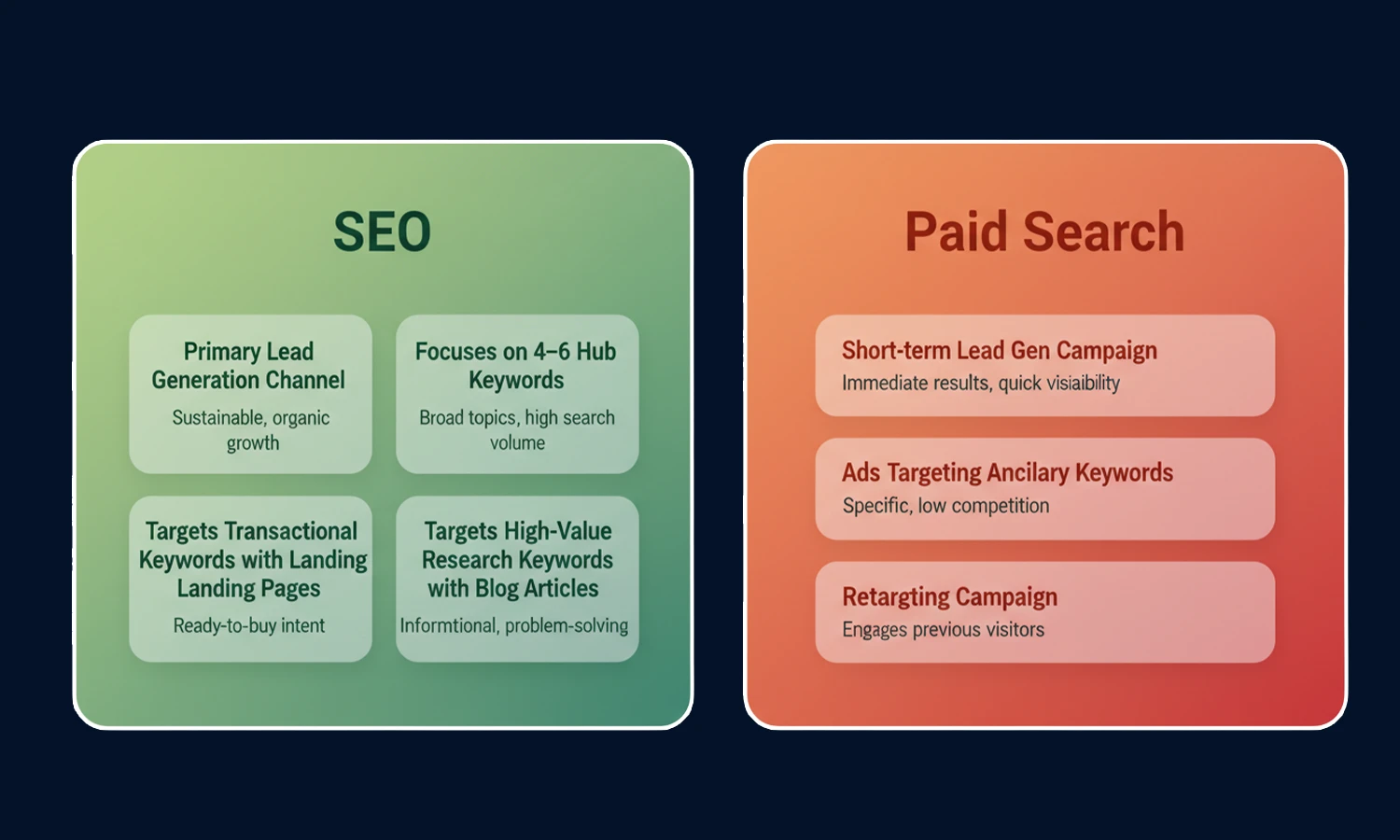
| Feature | Organic SEO | Paid Search (PPC) |
| Concept | Owning your home | Renting space |
| Speed | Long game (3 to 6 months) | Instant (15 to 30 minutes) |
| Trust | 94 percent of users click organic | Only 6 percent click on ads |
| Sustainability | Traffic compounds over time | Traffic stops when budget ends |
Search engine optimization is a cost-effective digital marketing strategy because once you rank, the traffic is free and continues to flow without a direct cost for each click.
Why SEO Matters for Online Growth
In 2026, SEO is the bedrock of digital presence because it transforms a website from a static brochure into a high-performing sales asset. While social media trends fade, search demand remains stable.
Insight 1: Over 70 percent of online experiences start with a search engine. This makes search optimization the most consistent traffic channel.
Insight 2: SEO compounds over time. Pages that rank today often generate traffic for years without additional cost.
The Core Principles Behind SEO
To rank well, your site must satisfy the principles of Experience, Expertise, Authoritativeness, and Trustworthiness. These SEO fundamentals bridge the gap between human needs and machine logic.
“The best SEO strategy is to help users first and search engines second.”
— Rand Fishkin
- Relevance: Matching search intent optimization by answering the specific "why" behind a query.
- Authority: Building a digital vote of confidence through quality backlinks.
- Technical Health: Using SEODADA to ensure pages load fast.
- Accessibility: Using structured data so AI assistants can read your site easily.
Hidden Fact 1: Google ranks individual pages, not entire websites. This means a weak page can still rank on a strong domain if it is the best answer.
How Search Engines Discover and Rank Pages
Think of search engines as the most advanced digital librarians. They follow a strict three step process: crawling indexing and ranking.
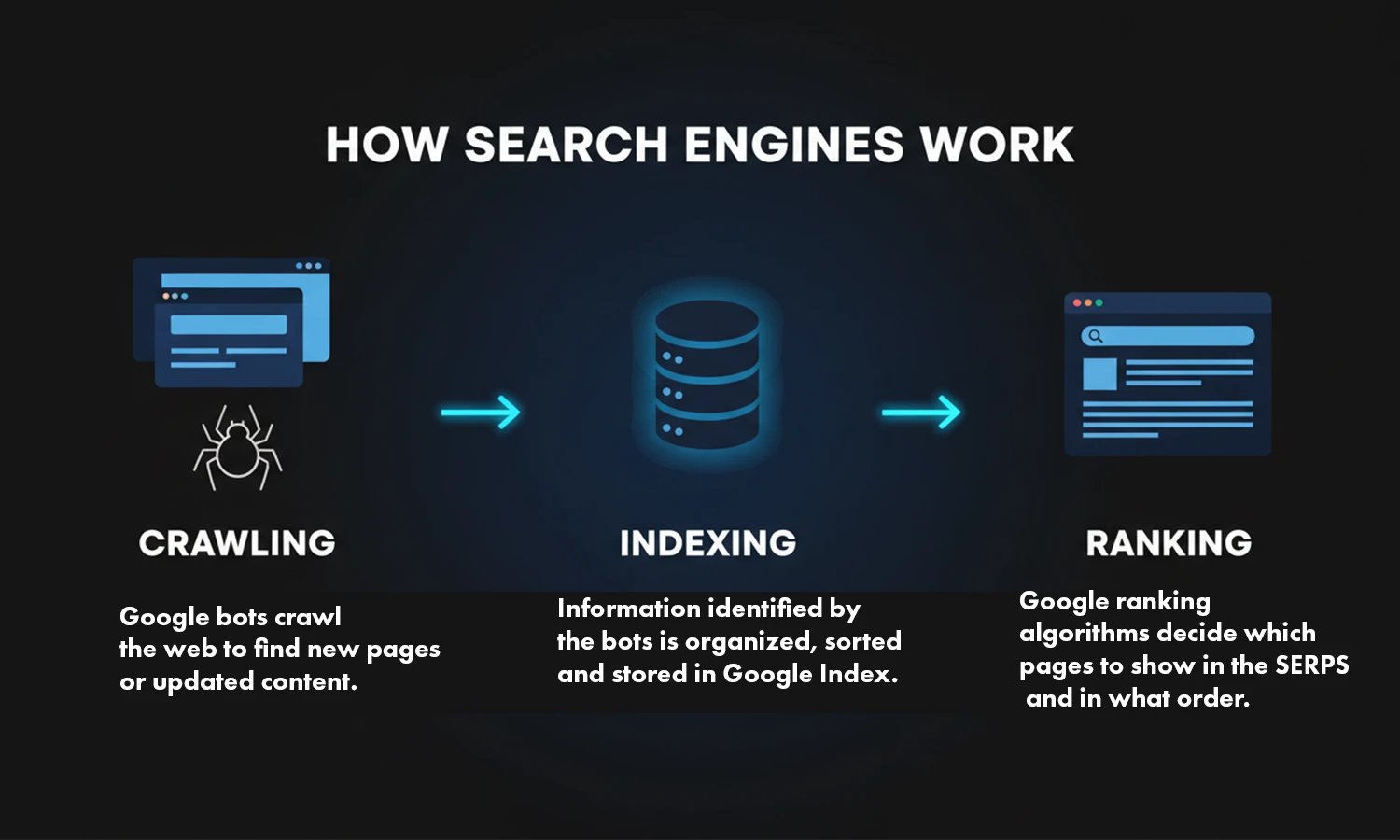
- Crawling: Automated bots like a spider move from one page to another by following links.
- Indexing: High-quality pages are added to a massive database. If a page is a duplicate, it will not be stored.
- Ranking: The algorithm selects the best answer from over 200 google ranking signals.
Insight 4: Strong technical SEO improves crawl budget optimization. This increases how often search bots visit and update your pages.
Different Categories of SEO You Should Know
To master organic SEO growth, you need to balance distinct areas. Think of it like a car: technical is the engine, on-page is the body, content is the fuel, and off-page is the reputation of the manufacturer.
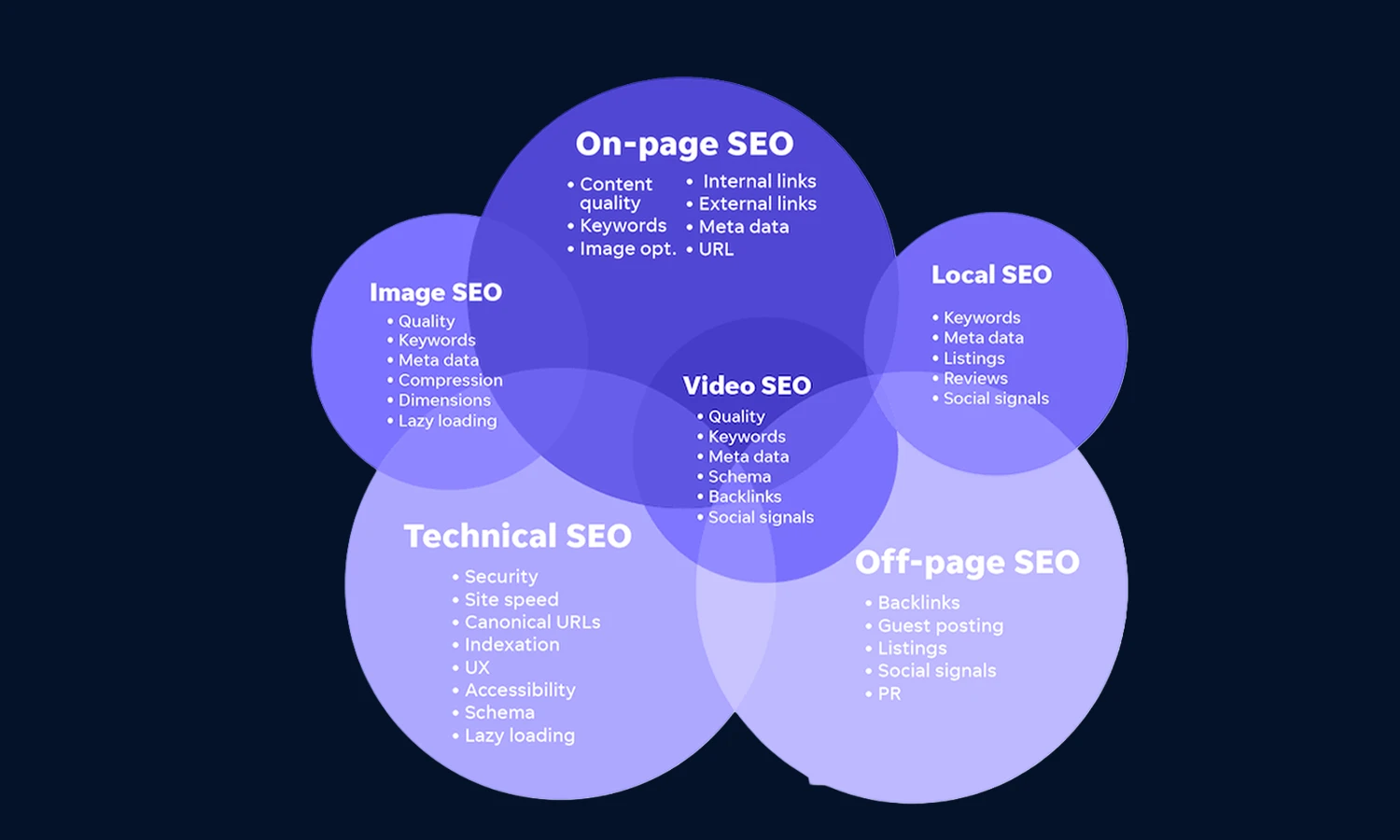
- Technical SEO: Focuses on site speed and mobile friendliness.
- On-Page SEO: Focuses on content clarity and structural integrity.
- Content SEO: Focuses on satisfying user intent with high-quality value.
- Off-Page SEO: Focuses on building authority through natural links.
- Local SEO: Focuses on geographic visibility for businesses with a physical location.
Content & Page Optimization (On-Page SEO)
On-page SEO techniques involve optimizing elements on your own website. In 2026, this is less about repeating keywords and more about structural clarity.
- Header Tags (H1 to H6): Headers provide a hierarchy for your content. Every page should have exactly one H1 tag.
- Strategic Internal Linking: These are the roads that connect your content.
- Keyword Placement: Place keywords naturally in the first 100 words and in subheaders.
Hidden Fact 2: Internal linking often has more ranking impact than external links for new content.
Authority & Trust Building (Off-Page SEO)
Off-page SEO strategies are about your reputation. Search engines care what the rest of the internet says about you.
“SEO is not about tricking Google. It’s about partnering with Google to provide the best search results.”
— Phil Frost
- Quality Backlinks: A single link from a high-trust site is more valuable than 1,000 links from unknown blogs.
- Digital PR: Being mentioned in news articles signals that you are a real-world entity with influence.
- Trust Signals: Maintaining an active SSL certificate and positive reviews are massive trust signals.
Hidden Fact 3: Meta descriptions do not affect rankings but they strongly influence click-through rate, which affects traffic.
Website Health & Performance (Technical SEO)
If your technical foundation is weak, even the best content will fail to rank. SEODADA focuses on technical clarity to ensure search engines can trust your site. Use a technical SEO checklist to stay healthy.
- Core Web Vitals: We measure loading speed, interaction, and visual stability.
- Mobile-First Indexing: Google primarily uses the mobile version of your site for ranking.
- Schema Markup: This helps AI assistants read your site and recommend your brand in voice searches.
Optimizing Images for Search Visibility
In 2026, image SEO tips involve ensuring AI can read your visuals as deeply as your text.
- Surrounding Context: Place important images near relevant paragraphs so AI can confirm the topic.
- Visual Quality: AI can now distinguish between unique photography and generic stock photos.
- Geotagging: For local businesses, adding GPS data to your photos proves your location to search engines.
Hidden Fact 4: Google may ignore your chosen title tag and rewrite it based on search intent.
Video Optimization for Better Reach
Video is a major part of Search Engine Optimization. To rank your videos, you must use clear titles and provide transcripts so bots can read your audio content. This helps you appear in video carousels and rich results on the main search page.
Local Search Optimization for Businesses
If you have a store in a city like Chennai, local SEO optimization is vital. It helps your business appear in maps and nearby searches.
Insight 5: Local SEO drives high-intent traffic. Nearby searches convert faster than general queries because the user is often ready to visit your shop immediately.
Starting Your SEO Journey the Right Way
Begin your journey by setting clear goals. Focus on search engine optimization basics like site security and mobile responsiveness before you start writing thousands of words. A solid foundation prevents you from having to fix mistakes later. Use the SEO for beginners approach to build one block at a time.
Checking Your Website’s Technical Health
Regular audits are the only way to find hidden issues like confused heading tags or missing meta titles. SEODADA provides daily health checks to ensure your ranking potential is not being drained by broken links or slow speeds. Fix your website ranking factors early to see growth.
Finding the Right Keywords to Target
Use keyword research methods to find words that match the intent of your users. Do they want to learn, or are they ready to buy? Targeting the right intent is more important than targeting high volume alone. This is the core of a modern SEO content strategy.
Creating Content That Ranks and Converts
Content should be created primarily for people.
“Great SEO happens when technical foundations and content quality work together.”
— Aleyda Solis
Hidden Fact 6: User engagement signals help Google re-evaluate relevance, even if they are not direct ranking factors. If people stay on your page, it tells the system your content is high quality.
Earning High-Quality Backlinks Naturally
Avoid link farms or manipulative schemes. The best way to build authority is through high-quality information that others want to cite. Natural growth is the only way to survive AI detection in 2026. This is one of the SEO best practices that never changes.
Measuring SEO Results & Improvements
Track your progress using organic traffic and keyword rankings. Use SEO tools and metrics to see if your work is paying off. SEODADA helps you monitor your proprietary rating so you can see your digital reputation grow over time.
Staying Updated with SEO Trends
SEO is a long-term game. Hidden Fact 5: SEO results often improve after content updates, not just new content creation. Keep your evergreen content fresh to stay at the top of the search results as trends move.
Key Takeaways
- Search Engine Optimization is about being discoverable, relevant, and trustworthy.
- Organic growth creates a compounding digital asset that is more cost-effective than ads.
- Focus on technical health and mobile-first indexing to satisfy modern algorithms.
- Use structured data and high-quality images to prepare for AI search.
- Regularly audit your site with SEODADA to eliminate ranking gaps.