Introduction
If you want steady SEO growth, you need to know what people are actually searching for. Many sites lose traffic because they guess keywords, chase random trends, or target words that do not match what their audience wants. That is exactly why we built Seodada. We want to help you choose keywords based on real data, not assumptions.
In this blog, we will walk you through how a Keyword Analysis Tool works, how to use it for better rankings, how to pick smarter keywords than your competitors, and how to combine AI ideas with proper SEO data.
Keyword Analysis Tool: What It Is and Why It Matters
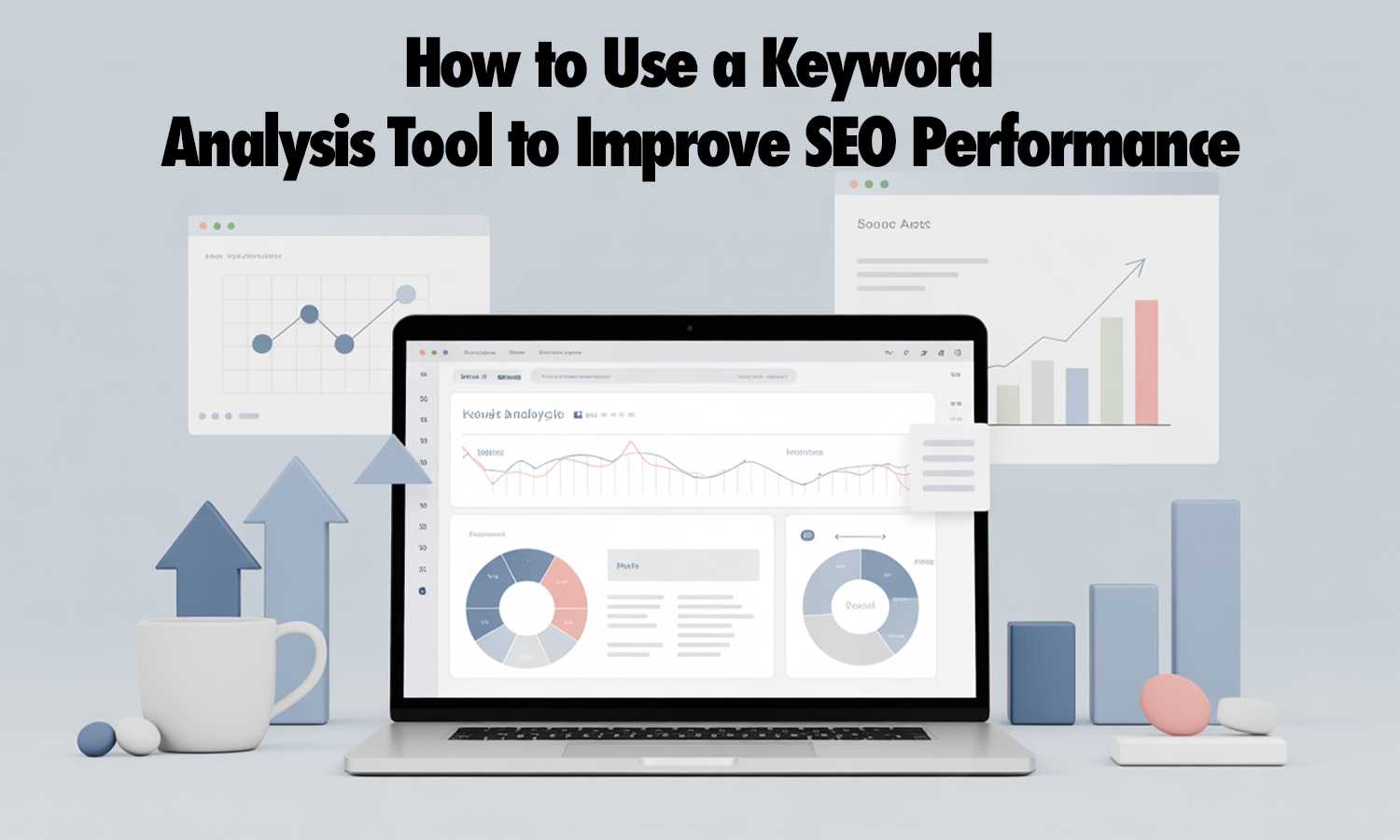
A Keyword Analysis Tool helps you understand what people search for, how often they search it, and how hard it is to rank for those terms. At Seodada, we treat this as proper keyword analysis, not just collecting a list.
When you use a tool, you learn:
- What your audience actually wants
- Which keywords bring useful traffic
- Which pages need updates
- Which topics should you build next
A good seo keyword analysis tool shows real patterns and gaps. That way, you focus only on keywords that can bring results.
How to Use a Keyword Analysis Tool for Better SEO
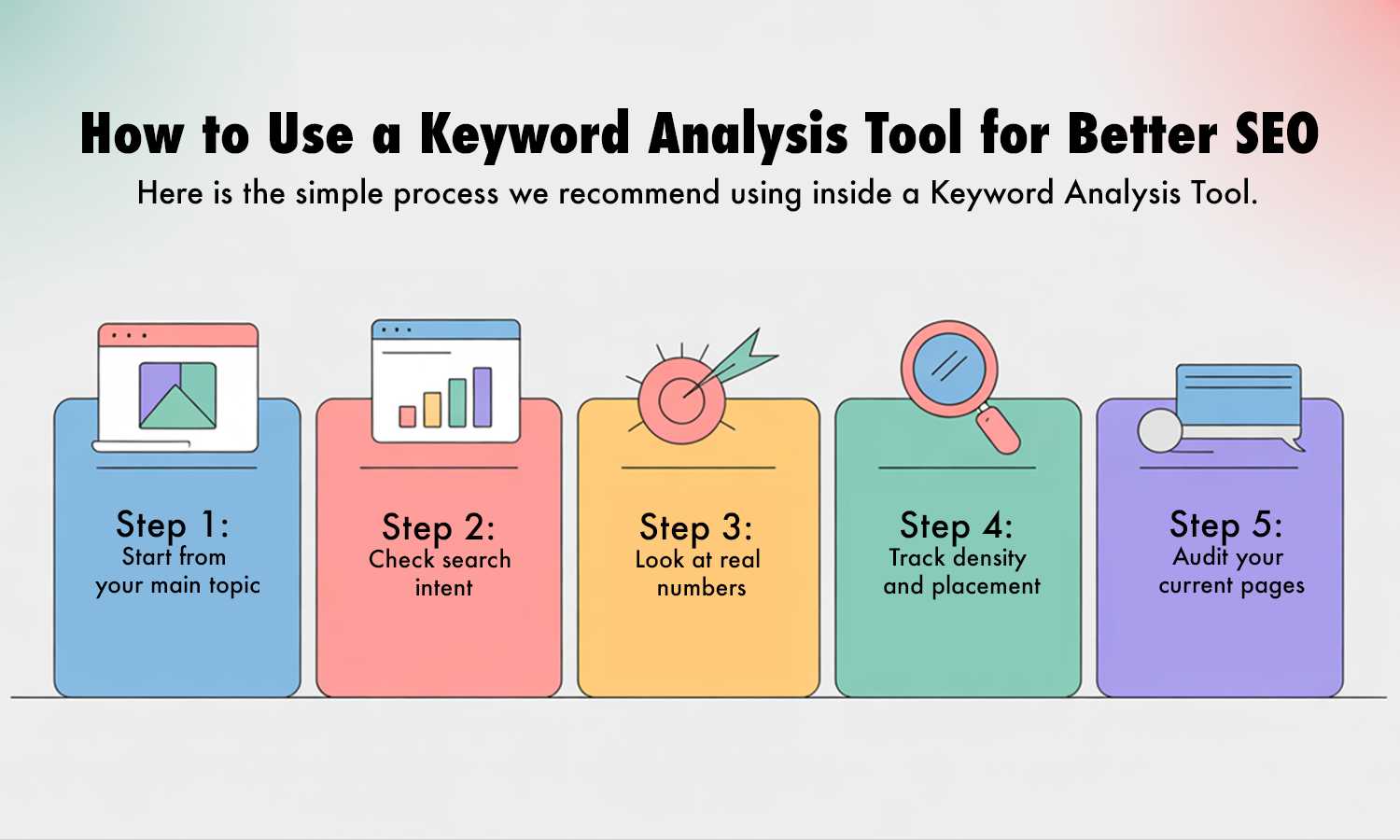
Here is the simple process we recommend using inside a Keyword Analysis Tool.
Step 1: Start from your main topic
Pick a clear topic first. Example: “electric scooters” or “online MBA.”
Then list the related phrases people might search.
Step 2: Check search intent
Intent means why someone searches that keyword.
Are they buying, learning, comparing, or just looking around?
If your page does not match intent, ranking will not help.
Step 3: Look at real numbers
Inside Seodada, you see:
- Search volume
- Difficulty
- Related terms
- Page-level opportunities
A proper website keyword analysis tool helps you decide what to target first, and what to leave for later.
Step 4: Track density and placement
Once you pick keywords, place them naturally.
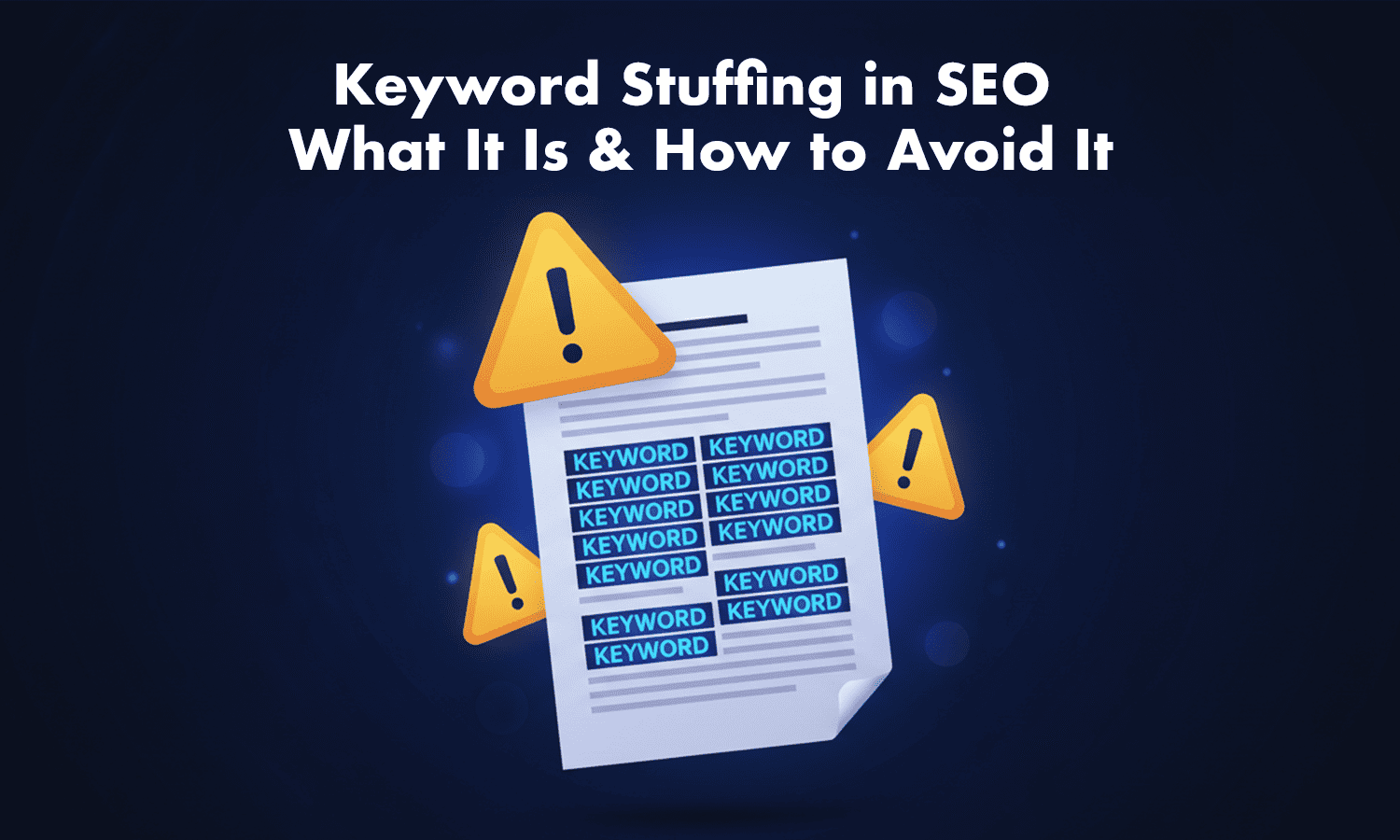
To avoid overuse, we include a keyword density analysis tool so your content stays readable.
Step 5: Audit your current pages
Before writing new content, check what your site already ranks for.
Our reports let you check website keywords page by page, so you avoid overlap and improve what already exists.
Competitor Keyword Analysis: How to Find Their Keywords
Your competitors show you what works in your niche. But copying their list blindly is not the right move. You need to understand what helps them rank.
Here is how we do keyword competitor analysis:
- Add your competitor's domain
- See the keywords they rank for
- Filter by intent and difficulty
- Find gaps they missed
A competitor keyword analysis tool makes this quick and clear. You can also use it to find competitors' keywords that you may not have thought about.
Seodada also supports multi-domain comparison using competitor analysis tools, so you can see which competitor wins for each topic.
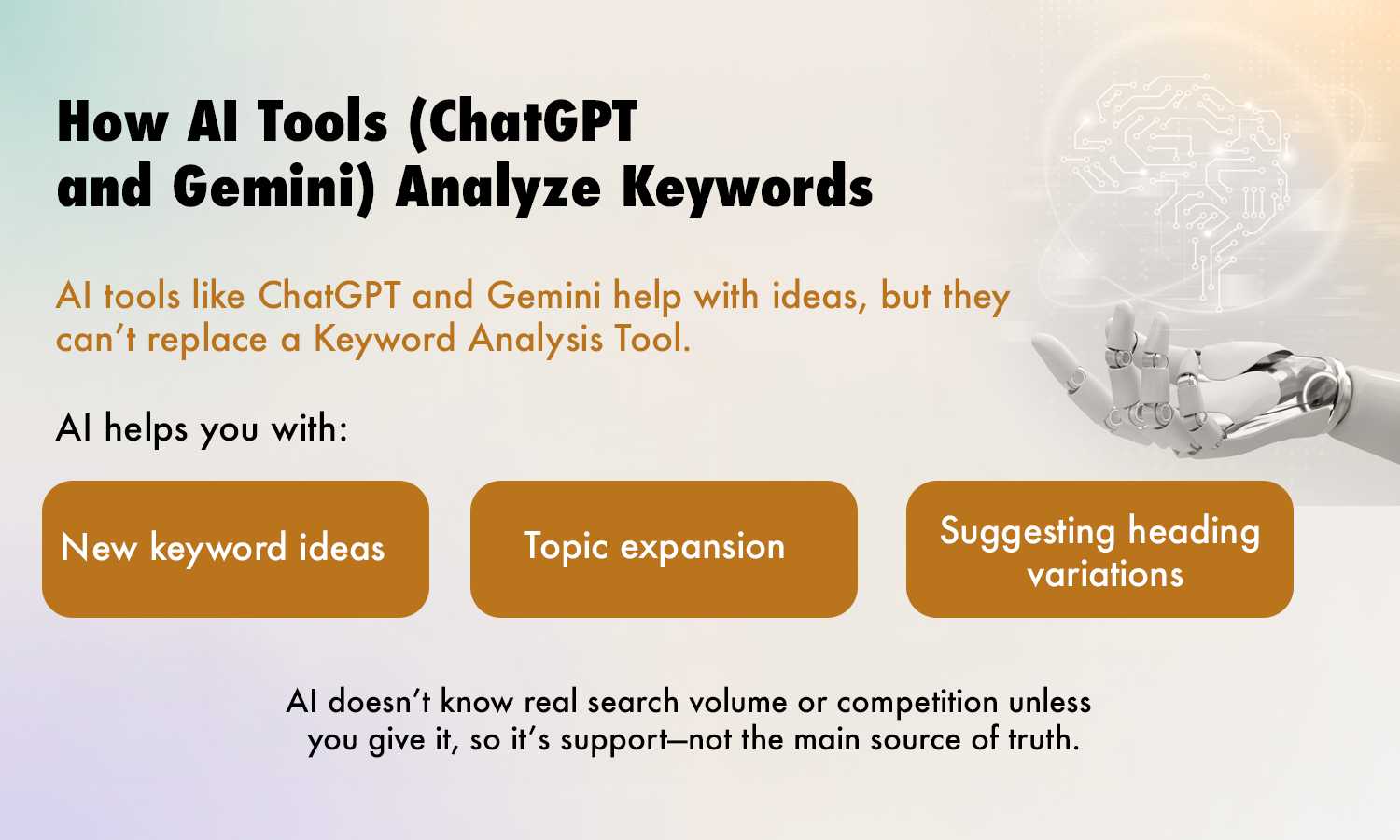
How AI Tools (ChatGPT and Gemini) Analyze Keywords
AI tools like ChatGPT and Gemini are good for brainstorming, but they do not replace a Keyword Analysis Tool.
AI helps you with:
- New keyword ideas
- Topic expansion
- Suggesting heading variations
But AI does not know real search volume or competition unless you provide it. So AI is useful support, not the main source of truth.
AI Keyword Analysis: ChatGPT, Gemini and SEO Dada
Here is the workflow we recommend.
- Use Seodada to pull real keywords
This gives volume, intent, and difficulty. - Use AI to expand ideas
Ask AI for related questions or content angles. - Confirm again in Seodada
Check which AI ideas have real search value.
That is why people use us as a keyword analyzer tool, not just for ideas, but for decisions.
You can build topic-wise plans using our keyword research and analysis tool outputs, then scale content smoothly.
Keyword Analysis for Voice Search Optimization
Voice search is growing because people speak full questions to phones and assistants. Voice keywords are longer and more natural than typed search.
Typed search: “best SEO tool.”
Voice search: “What is the best SEO tool for small businesses?”
When you use a Keyword Analysis Tool, look for:
- Question keywords
- Longer phrases
- Local intent
- “Near me” patterns
Seodada helps you spot these in reports so your content works for both normal search and voice search.
Final takeaway
A Keyword Analysis Tool is not only for finding keywords. It helps you build a plan that grows traffic and rankings step by step. If you use Seodada data, write content based on intent, and improve what already exists, SEO becomes much simpler and more predictable.