
Introduction
If your pages are not showing up on Google the way they should, your keywords are usually part of the problem. You may be targeting the wrong terms, using them in the wrong places, or not matching what people actually search for.
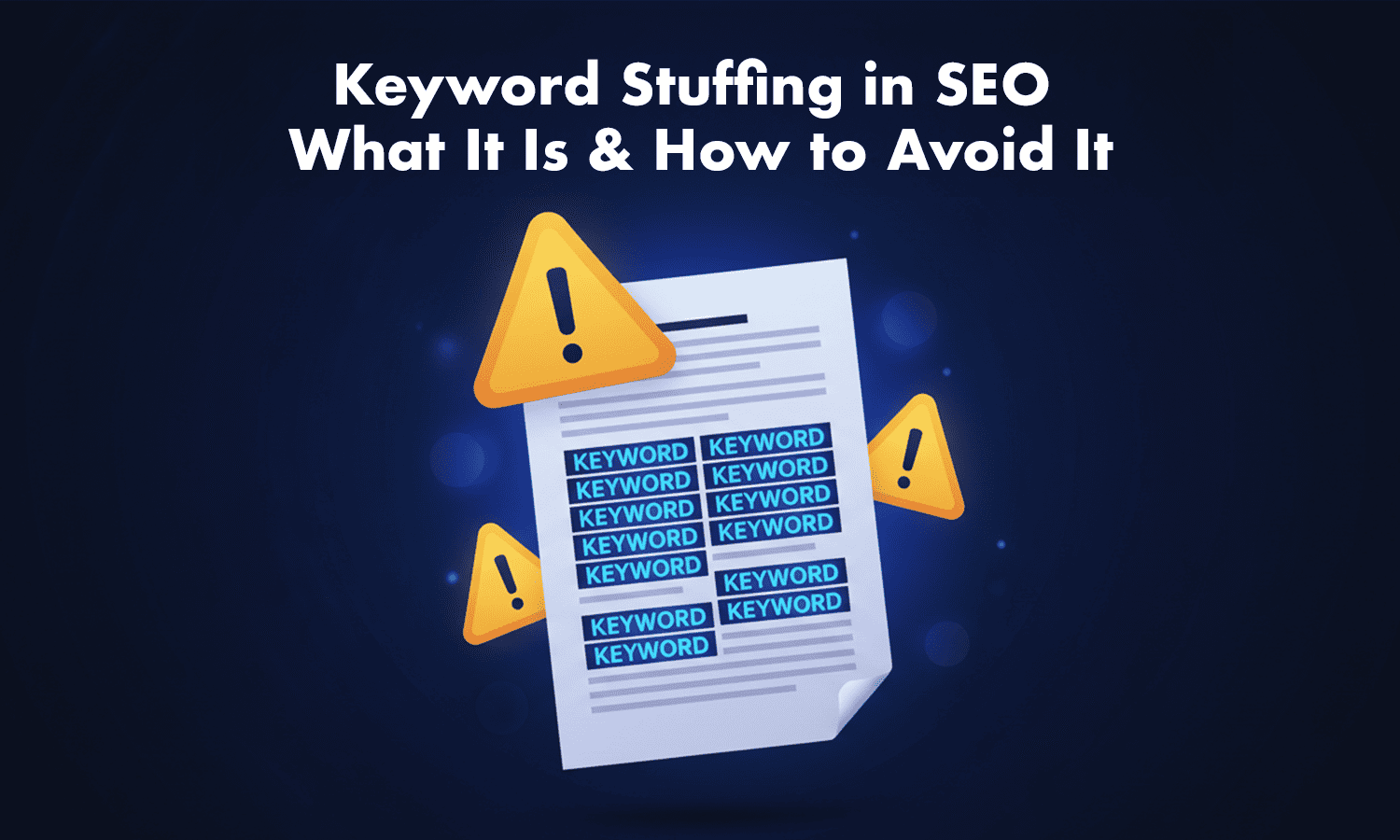
That is where Keyword Optimization comes in. It is not about stuffing words into a page. It is about choosing the right keywords, placing them in the right spots, and writing content that truly matches search intent.
In this guide, we will walk you through what keyword optimization SEO really means and share 7 clear steps you can follow with Seodada to get it right.
Why Is Keyword Optimization Important?
Before you think about tools or tricks, you need to understand what keyword optimization is in simple terms.
Keyword Optimization means:
- Choosing keywords that match your business
- Matching search intent for those terms
- Using them naturally in your content and tags
- Monitoring performance and improving over time
When you get this right, your pages:
- becomes easier for Google to understand
- Attract more qualified visitors
- Rank for the right keywords and seo topics instead of random traffic
Good keyword search optimization is the base of all sustainable SEO work.

How to Optimize for Keywords to Boost SEO Success
Here is a simple way to approach Keyword Optimization using Seodada or any solid keyword optimization tool.
1. Group Similar Keywords
Most people collect long lists of keywords and then feel stuck. The first step is to group similar terms.
For example:
- “online MBA course,” “MBA online course,” “MBA course online”
- “affordable online MBA,” “low cost MBA online”
These can be grouped into two sets. Each group can usually become one main page or topic.
This makes your seo keyword optimization cleaner because you are not trying to force every variation onto one line.
2. Map Your Keywords
Once you group them, map each group to a specific page or planned page:
- Main keyword for the page
- 2 to 4 supporting variations
- Related questions that people search
You can follow a simple google seo guide style approach:
- One main keyword per page
- Clear purpose for the page
- No two pages targeting the exact same primary term
This keeps your site structure focused and avoids internal competition.
3. Create Quality Content That Is Aligned with Search Intent
Keyword lists are useless if the content does not match what people want.
Ask for each page:
- Is the user trying to learn, compare, or buy?
- Does my page type match that intent?
- Blog for learning
- Comparison guide for evaluating
- Landing page or product page for buying
Real keyword optimization means shaping content around intent, not forcing keywords into whatever you already have.
4. Write Good Title Tags and Meta Descriptions
Title tags and meta descriptions are the first things users see in search results.
Use your main keyword in:
- The page title
- The meta description (once, naturally)
A few simple seo tips and tricks for titles and descriptions:
- Keep them clear and honest
- Do not repeat the keyword too many times
- Hint at what benefit the user gets from clicking
This gives you stronger keywords for search engine optimisation and better click-through rates.
5. Use and Optimize HTML Headings
Headings (H1, H2, H3) help both users and search engines understand your page structure.
- Use one H1 with your main keyword or a close variation
- Use H2s for main sections and include related terms where natural
- Use H3s for subpoints without forcing keywords
Good heading use supports keyword optimisation and improves readability at the same time.
6. Create User-Friendly URLs
Your URL also gives search engines a signal about the page topic.
Simple rules:
- Keep URLs short
- Use words, not random IDs
- Include the main keyword if it fits naturally
This helps Google understand how your list of Google search engine optimization keywords relates to the page topic, and it also makes your URLs easier for users to read and share.
7. Optimize Your Images
Images can support your topic and help you rank in image search as well.
Basic steps:
- Use descriptive file names
- Add alt text that describes the image and, when natural, includes the main keyword
- Keep images compressed for speed
This is part of keyword optimization SEO as well, because all page elements should support the same topic.
Monitor Keyword Performance and Refine Your Content
Keyword work is not a one-time task. After you set up your pages, you need to track how they perform.
In Seodada, you can:
- See which pages rank for which terms
- Find pages that appear on page 2 or 3 and need updates
- Notice new terms you started ranking for and expand around them
Over time, keywords and seo performance will show you where to add more depth, where to adjust titles, and where to trim outdated content.